
Every year, thousands of people suffer life-changing injuries from truck accidents across the country. These large-scale collisions are unlike ordinary car crashes — the sheer size and weight of commercial trucks amplify the damage inflicted on victims. Whether you’re a driver, passenger, or pedestrian, the physical and emotional consequences of such an event can be staggering. A single moment can shift your entire life trajectory, leaving behind a long trail of challenges that persist well beyond the initial recovery.
The Immediate Aftermath of a Serious Truck Accident
In the moments following a truck accident, victims often experience confusion, shock, and intense pain. Emergency medical attention becomes critical, especially when traumatic injuries are involved. Broken bones, spinal cord damage, and internal bleeding are common, with many requiring surgery and extended hospital stays. While the initial chaos may subside, it marks only the beginning of a long and often overwhelming journey.
Long-Term Physical Impact After a Truck Accident
The body is resilient, but certain injuries from truck collisions can alter it permanently. One of the most devastating outcomes is a traumatic brain injury (TBI), which can affect everything from memory and speech to mobility and personality. Spinal cord injuries, meanwhile, can lead to full or partial paralysis, rendering a once-independent person reliant on assistive devices and round-the-clock care.
Soft tissue damage, chronic pain, nerve damage, and amputations are also common. These conditions don’t just fade with time — they often intensify without proper management. In many cases, victims find themselves undergoing years of physical therapy and rehabilitation without ever fully recovering the capabilities they once had.
Emotional and Psychological Consequences of Truck Accident Injuries
While the physical injuries are evident, the emotional scars run just as deep. Post-traumatic stress disorder (PTSD), anxiety, depression, and even phobias can haunt survivors for years. Everyday actions — like driving, walking near a street, or hearing a horn — can trigger intense flashbacks or panic attacks.
Victims may experience feelings of isolation or helplessness, especially if they are no longer able to perform the tasks they once enjoyed or relied upon. Relationships can become strained, and in many cases, therapy is required to manage the psychological toll of the incident.
Career Disruption and Financial Strain
Another serious consequence of a truck accident is its long-term impact on a person’s career. If the injuries are severe, returning to a previous job may be impossible. Manual laborers who suffer spinal or musculoskeletal damage often find themselves permanently unemployed or forced to switch to lower-paying, less physically demanding roles.
The financial consequences of this shift are profound. Medical bills, home modifications, mobility aids, and ongoing treatments can quickly drain savings. If the injured person was the primary earner, the ripple effect touches every part of the household — from mortgage payments to education plans. Many families are forced to make drastic lifestyle changes to cope.
Impact on Personal Relationships and Family Life
After a traumatic event like a truck accident, family dynamics often change. Spouses may shift into the role of caregiver, children may take on additional responsibilities, and household routines may be disrupted. These adjustments can lead to increased stress and emotional fatigue for everyone involved.
Marriages and partnerships are particularly vulnerable under the strain. The burden of caregiving, coupled with the emotional trauma both partners experience, often results in tension, arguments, and even separation.
Loss of Independence and Quality of Life
One of the most devastating outcomes of a serious truck accident is the loss of independence. Simple tasks like dressing, bathing, cooking, or driving may become unmanageable. Many victims require assistance with daily activities, either from family members or hired caregivers.
This loss often leads to a decline in overall quality of life. Social withdrawal becomes common, as mobility limitations or emotional trauma reduce the desire or ability to engage in community or recreational activities. Over time, this isolation can worsen mental health, creating a vicious cycle that is difficult to break.
Lifelong Medical Needs and Complications
Recovery from a truck accident injury is rarely linear. Even with surgery, medication, and therapy, complications can arise years later. Scar tissue can tighten, joints may weaken, and once-tolerable pain levels may escalate. Additionally, certain injuries increase the likelihood of developing secondary conditions like arthritis, chronic fatigue syndrome, or cardiovascular complications due to inactivity.
Regular visits to medical professionals become a permanent part of life. This includes pain management specialists, orthopedic surgeons, physical therapists, and mental health counselors. These ongoing needs demand time, money, and emotional resilience.
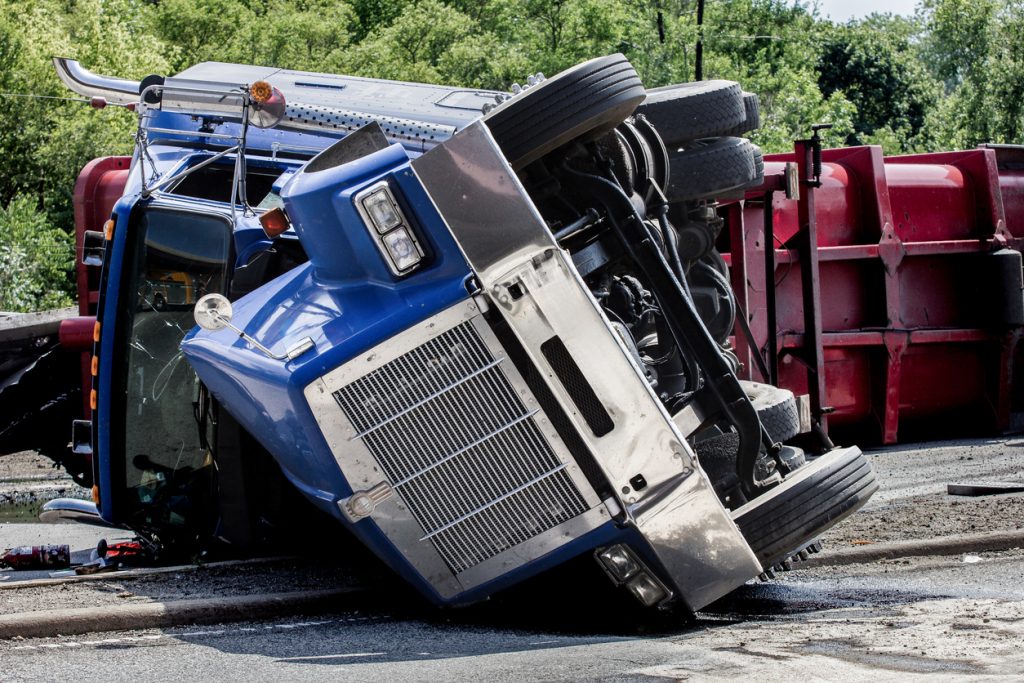
Navigating the Legal Landscape After a Collision
The legal ramifications of a truck accident can stretch on for years. Determining liability is often complicated due to the involvement of multiple parties — including drivers, trucking companies, manufacturers, and insurers. Victims may find themselves entangled in litigation, insurance disputes, or settlement negotiations, all while trying to recover physically and emotionally.
Understanding the types of injuries one might face is critical for determining the extent of damages in a legal claim. In this context, it’s essential to understand what are the most common truck accident injuries?, as this can help shape the narrative for compensation.
Role of Lifestyle Adjustments and Rehabilitation
In the wake of a catastrophic truck accident, victims often need to redefine what normal means. Home renovations may be necessary to accommodate mobility devices like wheelchairs. Cars might require modification, and daily routines must shift to allow time for therapies or rest periods.
Rehabilitation is more than just physical recovery — it encompasses relearning tasks, building new habits, and finding new ways to enjoy life. While some find hope in these adjustments, others struggle with the persistent feeling that they’ve lost a part of themselves forever.
The Invisible Burden of Pain and Fatigue
Pain and fatigue are two of the most underreported yet most debilitating consequences of truck-related injuries. Even when a victim appears “fine” on the outside, chronic conditions may be ravaging their body behind the scenes. Neuropathic pain, fibromyalgia, and inflammation often stem from initial trauma and worsen with age.
These symptoms often go untreated or are misdiagnosed, leading to frustration and further suffering. The emotional cost of dealing with invisible pain is substantial, especially when support from employers, family, or friends begins to dwindle over time.
The Impact on Social and Community Involvement
People who suffer serious truck accident injuries often find themselves slowly withdrawing from social circles. Physical limitations, embarrassment over visible injuries, or mobility issues may keep them from participating in events or gatherings they once enjoyed.
Additionally, community involvement — whether through volunteer work, hobbies, or local activities — often takes a backseat to recovery. This disengagement can contribute to feelings of uselessness or low self-worth, further deepening psychological wounds.
Seeking Support Systems and Building New Purpose
For many victims, life after a truck accident is a balancing act between managing limitations and finding new avenues of purpose. Support groups, therapy, and community outreach programs can provide vital connections. These systems can offer emotional encouragement, practical advice, and a sense of belonging to those navigating the long-term effects of injury.
The importance of finding new goals cannot be overstated. Whether it’s creative expression, advocacy, or simply building a more accessible lifestyle, redefining purpose is a vital part of healing.
Reclaiming Control: A Long Road, But Not Impossible
It’s undeniable that a serious truck accident can derail a person’s life in profound ways. But for many, recovery is not about returning to the life they had before — it’s about building a meaningful life with the tools and circumstances they now face. With the right combination of support, treatment, and personal resilience, victims can find ways to reclaim a sense of control and dignity.
Still, this road is long and filled with obstacles, which is why awareness, advocacy, and systemic support are essential in helping individuals recover — not just physically, but holistically.
Conclusion: The Lingering Effects of a Truck Accident
The long-term consequences of a truck accident injury extend far beyond the crash site. From physical disability and emotional trauma to financial hardship and altered family dynamics, the ripple effects can last a lifetime. Understanding these impacts is crucial for raising awareness, securing fair compensation, and ensuring that victims receive the care they need.
While the journey is undeniably difficult, recognizing and preparing for these challenges is the first step toward regaining control and finding a new way forward.
For more insights on road safety and crash injury statistics, visit the National Highway Traffic Safety Administration (NHTSA).