
Ensuring that large commercial vehicles follow the Semi-Truck Weight Limits in Texas is a critical task that law enforcement in the state takes very seriously. Oversized and overloaded trucks not only cause severe road damage but also increase the risk of catastrophic accidents. In Texas, where highways are lifelines for the freight industry, strict regulatory oversight helps prevent these dangers from escalating.
Monitoring semi-truck weight limits in Texas isn’t just about checking numbers — it’s about safety, infrastructure preservation, and economic regulation. From portable weigh stations to roadside inspections, Texas law enforcement employs a comprehensive strategy to make sure truck operators remain compliant. This article explores those tactics in depth, shedding light on the processes that support weight compliance and the consequences for violations.
Understanding the Foundation of Semi-Truck Weight Regulations in Texas
Before diving into enforcement techniques, it’s important to understand why semi-truck weight limits in Texas exist in the first place. The Texas Department of Transportation (TxDOT) sets these limits to preserve the integrity of public roads and bridges. Roads are engineered to withstand certain loads, and when trucks exceed these thresholds, it causes premature wear and costly damage.
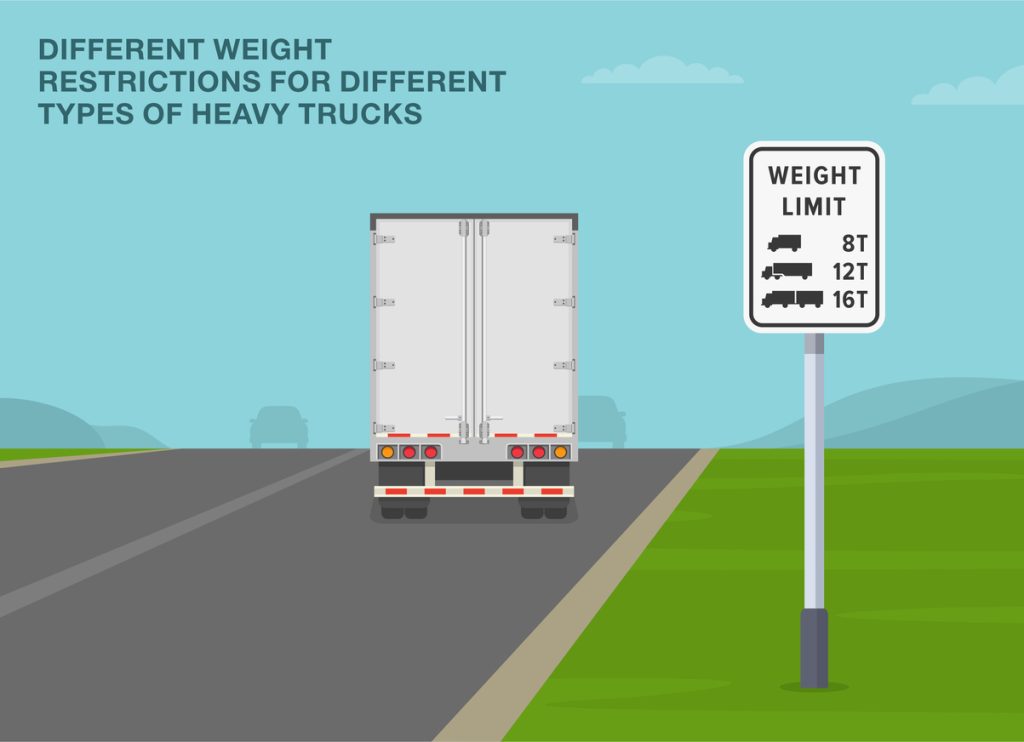
Typically, the legal gross vehicle weight (GVW) limit for a semi-truck in Texas is 80,000 pounds. This includes the total weight of the truck, trailer, cargo, and all fluids. However, the actual limit can vary depending on the configuration of axles and the nature of the cargo.
To enforce these limits, multiple agencies work in tandem — most notably, the Texas Department of Public Safety (DPS) and the Texas Highway Patrol. Their mission is to maintain road safety while ensuring commercial operators do not gain unfair economic advantages by overloading their vehicles.
The Role of Weigh Stations in Monitoring Truck Weight Compliance
One of the most visible tools in monitoring semi-truck weight limits in Texas is the network of permanent and portable weigh stations scattered across the state. Strategically placed along major highways and freight corridors, these facilities allow for systematic inspection of commercial vehicles.
Law enforcement officers use certified scales to measure the weight of trucks. These weigh stations are often equipped with Weigh-In-Motion (WIM) technology, which allows officers to measure a vehicle’s weight without requiring it to come to a full stop. If a truck is flagged for being overweight, it may be directed off the road for further inspection and possible penalties.
During high-traffic periods or targeted enforcement operations, portable weigh stations are deployed to random checkpoints. These mobile units allow for flexible and surprise inspections in areas not typically covered by permanent stations.
Roadside Inspections and the Role of the Texas DPS
The Texas Department of Public Safety (DPS) conducts regular roadside inspections as part of its Commercial Vehicle Enforcement (CVE) division. These checks are vital to enforcing semi-truck weight limits in Texas. Officers not only check weight compliance but also inspect brake systems, lighting, tires, and driver logs.
When officers suspect that a truck is carrying more weight than legally allowed, they may use portable scales to confirm the total load. These scales provide immediate readings and allow officers to determine whether the vehicle should be pulled from service until adjustments are made.
If a driver is caught with an overloaded truck, the consequences can be serious. Fines increase based on the amount by which the truck exceeds weight limits, and in some cases, drivers may face misdemeanor charges.
Digital Monitoring Systems Supporting Law Enforcement
As technology evolves, so do the tools used to monitor semi-truck weight limits in Texas. Electronic Logging Devices (ELDs), GPS tracking, and onboard telematics systems now provide real-time data about vehicle weight, cargo conditions, and travel routes.
Law enforcement agencies increasingly partner with tech platforms that aggregate this data to predict high-risk vehicles before they even arrive at inspection points. By analyzing historical patterns and telematics reports, officers can identify likely violators and deploy resources more efficiently.
The integration of digital tools with traditional law enforcement methods marks a significant advancement in transportation oversight. It also acts as a deterrent since commercial carriers are aware that they are under constant digital scrutiny.
Texas Size and Weight Enforcement Service (TSWES) Contributions
The Texas Size and Weight Enforcement Service (TSWES), part of the Texas DPS, plays a pivotal role in enforcing truck weight regulations. TSWES officers are authorized to inspect any commercial motor vehicle and enforce applicable federal and state size and weight regulations.
These officers receive advanced training in load distribution, axle configurations, and the mechanical aspects of weight enforcement. Their work is highly technical and contributes directly to minimizing infrastructure strain and preventing dangerous truck accidents.
Working in collaboration with local and federal agencies, TSWES ensures that semi-truck weight limits in Texas are respected across all operating jurisdictions — urban or rural.
How Data from Previous Violations Influences Monitoring
Monitoring doesn’t happen in a vacuum. Law enforcement officials actively use data from past infractions to inform current enforcement efforts. Carriers with a history of violations are often placed on watch lists, and their vehicles may be subject to more frequent inspections.
Databases like the Federal Motor Carrier Safety Administration’s (FMCSA) Safety Measurement System (SMS) provide insights into a carrier’s compliance history. When Texas DPS officers access these databases, they can prioritize inspections and weigh checks more effectively.
This data-driven approach not only increases enforcement efficiency but also reinforces the message that semi-truck weight limits in Texas are not suggestions—they are mandatory, enforceable rules.
Legal Ramifications of Violating Texas Semi-Truck Weight Limits
The legal consequences of violating weight limits can be costly and career-damaging for truck drivers and operators. Overweight citations range in severity depending on how much a truck exceeds the legal threshold. Penalties can include fines upwards of $10,000, especially in cases of gross overloading.
Moreover, repeat offenders may have their operating licenses suspended or revoked. In some cases, violations may lead to lawsuits or insurance complications, particularly if an accident occurs involving an overloaded truck.
Authorities also reserve the right to detain and offload cargo if a truck is found to be dangerously overloaded. The process of redistribution or contracting alternative transport can be expensive and time-consuming, further emphasizing the importance of staying within legal limits.
Public Safety Campaigns Supporting Compliance Awareness
In addition to direct enforcement, Texas invests in public awareness campaigns aimed at educating truckers and carriers about the importance of weight compliance. These campaigns often include outreach at truck stops, online training programs, and mandatory certification renewals that cover weight regulations.
Through education, the state hopes to reduce the number of intentional and unintentional violations. Drivers who understand the risks and repercussions are more likely to comply with semi-truck weight limits in Texas.
Federal Collaboration and Support for Texas Law Enforcement
The FMCSA and U.S. Department of Transportation (DOT) offer ongoing support to Texas in its efforts to enforce truck weight rules. This includes funding for weigh station upgrades, inspection training, and cross-jurisdictional data sharing.
By collaborating with federal entities, Texas strengthens its enforcement capabilities and ensures consistent monitoring even across state lines. This is particularly vital for interstate trucking operations that pass through multiple regulatory environments.
An informative reference for federal truck weight rules and guidelines can be found at https://ops.fhwa.dot.gov/freight/resources/bookshelf/index.cfm, offering more insight into how national policies align with state-level enforcement.

How Enforcement Tactics Continue to Evolve in Texas
As Texas continues to lead in freight volume, its enforcement tactics evolve in response. Innovations in artificial intelligence and predictive analytics are beginning to enter the scene. These tools allow law enforcement to simulate scenarios and target high-risk corridors more precisely.
Enforcement units are also expanding their presence in rural areas, where trucks may attempt to circumvent weigh stations. Through aerial surveillance, road sensors, and mobile enforcement units, Texas is tightening its grip on illegal weight practices.
This proactive stance is a signal to the trucking industry that semi-truck weight limits in Texas are under constant watch and that evasion will be met with strict penalties.
A Note on Legal Framework and Weight Standards Across the U.S.
It’s important to recognize that while Texas has specific protocols, weight limit laws vary by state. If you’re interested in a detailed breakdown of how legal weight standards differ nationwide and how each state enforces them, this guide on legal weight limits for semi-trucks in US states offers an excellent comparative resource. Understanding these differences is essential for carriers who operate across multiple jurisdictions.
Why Truckers Must Prioritize Compliance in Texas
Compliance isn’t just a legal requirement — it’s a strategic necessity. Carriers who maintain proper loads avoid fines, reduce wear on their vehicles, and improve their safety ratings. These benefits result in lower insurance premiums, better operational efficiency, and fewer disruptions.
Moreover, avoiding violations protects a company’s reputation. In today’s logistics industry, reliability is a competitive edge, and maintaining compliance with semi-truck weight limits in Texas is part of that equation.
Conclusion: Law Enforcement and Long-Term Impact on Texas Roads
The monitoring of semi-truck weight limits in Texas is a dynamic, multifaceted operation that involves technology, legal oversight, data analytics, and direct enforcement. Through the coordinated efforts of state and federal agencies, Texas ensures that its roads remain safe and its infrastructure remains sound.
As trucking operations grow, law enforcement must stay one step ahead to prevent abuse of the system. Whether it’s through random roadside checks, digital data reviews, or federal partnerships, the state’s dedication to enforcing weight laws sends a strong message to the freight industry: safety and compliance are non-negotiable.
For more in-depth legal considerations and state-specific guidance, check this guide on what are the weight limits for semi-trucks in Texas to stay informed and aligned with the latest regulations.