
Driving requires a delicate balance of focus, coordination, and awareness of one’s surroundings. Even slight distractions can interfere with the ability to respond to changing traffic conditions. One often overlooked distraction is loud music affecting driving, a factor that has been increasingly recognized in discussions surrounding distracted driving cases. While much of the public conversation centers on texting or phone use, evidence shows that excessively loud music has similar impairing effects on drivers, leading to delayed reactions, poor situational awareness, and preventable collisions. Understanding this dynamic is crucial, especially as courts and policymakers continue to define the scope of liability in distracted driving incidents.
Why Loud Music Affecting Driving Matters in Legal Contexts
When courts examine liability in distracted driving claims, the focus is typically on whether the driver engaged in behavior that impaired judgment or reaction times. The issue of loud music affecting driving becomes particularly relevant because it can compromise multiple cognitive and physical functions at once. Unlike a brief glance at a phone, music played at high volumes directly interferes with auditory perception, reduces the ability to hear sirens or horns, and creates a sensory overload that increases accident risk.
The National Highway Traffic Safety Administration has repeatedly emphasized the importance of attentiveness on the road, identifying cognitive, manual, and visual distractions as primary contributors to crashes. While music is not always categorized alongside texting or eating, the role of loud music affecting driving falls squarely within cognitive distraction. Courts may consider whether a driver knowingly created unsafe conditions by choosing to raise the volume to levels that compromise road safety.

The Science Behind Loud Music Affecting Driving and Reaction Times
Several studies demonstrate that loud music affecting driving can delay response times by critical fractions of a second. When music exceeds safe decibel levels, it interferes with concentration and reduces awareness of surrounding hazards. Drivers immersed in excessively loud music often fail to detect auditory cues, such as the screeching of tires, emergency sirens, or verbal warnings from nearby vehicles or pedestrians.
This impairment can be compared to other forms of distraction recognized by traffic laws. Much like texting requires visual and cognitive focus away from the road, loud music engages the brain in multitasking, diverting attention from situational awareness. In personal injury cases, attorneys may argue that a driver allowed loud music affecting driving to impair their capacity, thereby contributing to negligence.
How Courts Address Loud Music Affecting Driving in Distracted Driving Cases
The legal system increasingly acknowledges that distractions extend beyond cell phones. In certain jurisdictions, arguments surrounding loud music affecting driving have been raised to establish a pattern of negligence. For instance, if law enforcement determines that a driver failed to yield or respond appropriately because they could not hear external sounds, excessive volume may be considered a contributing factor.
Courts often rely on circumstantial evidence in these cases, such as witness testimony describing blaring music before a collision or police reports noting impaired awareness. While not every case explicitly cites loud music affecting driving as a primary cause, it can strengthen claims of recklessness or negligence when combined with other distractions.
The Link Between Loud Music Affecting Driving and Minor Accidents
Many distracted driving cases involve minor accidents, such as fender benders, lane departures, or rear-end collisions. These incidents may appear less serious but can still cause injuries, property damage, and legal disputes. The role of loud music affecting driving in such cases becomes apparent when investigating why a driver failed to brake on time, misjudged distance, or overlooked a vehicle in their blind spot.
Even at low speeds, a driver who cannot process auditory or visual cues effectively may struggle to avoid collisions. Insurance investigations often include questions about environmental distractions, and excessive music volume can influence the determination of liability.
Psychological and Physiological Effects of Loud Music Affecting Driving
The consequences of loud music affecting driving extend beyond delayed reactions. High volume levels can elevate adrenaline, increase heart rate, and create heightened emotional states that lead to aggressive or reckless driving behavior. The overstimulation caused by booming bass or fast-paced tracks can unconsciously encourage speeding or weaving between lanes.
Moreover, prolonged exposure to loud music within a vehicle can induce fatigue, which further compounds distraction. From a legal standpoint, these physiological effects provide additional grounds for examining whether a driver exercised reasonable care in operating their vehicle.

Case Studies Highlighting Loud Music Affecting Driving
While large-scale transportation disasters often overshadow these incidents, documented cases illustrate how loud music affecting driving plays a role in distracted driving claims. Some reports describe collisions where drivers admitted to not hearing honking horns or sirens because their stereo drowned out external warnings. In others, police officers noted blaring music as a contributing factor to the driver’s inability to react.
One significant example can be seen in academic research cited by safety advocates, which found that drivers exposed to excessively loud music were significantly more likely to miss traffic signals or commit driving errors. These studies reinforce the argument that loud music affecting driving should be treated as a legitimate distraction in both public safety discourse and legal proceedings.
Regulatory Perspectives on Loud Music Affecting Driving
State laws vary on how they regulate music volume in vehicles, but many jurisdictions have noise ordinances that indirectly address loud music affecting driving. These rules often limit decibel levels audible from certain distances outside the car. While primarily designed to curb noise pollution, they also serve as evidence that lawmakers recognize the potential dangers of high-volume music behind the wheel.
The Centers for Disease Control and Prevention provides insight into distracted driving trends, noting how various sensory inputs can impair a driver’s ability to focus on the task at hand. By connecting these findings to loud music affecting driving, courts and policymakers gain justification for integrating music-related distractions into broader discussions of roadway safety (CDC distracted driving reference).
How Legal Arguments Incorporate Loud Music Affecting Driving
In personal injury and liability claims, attorneys often seek to prove negligence by demonstrating that a driver failed to act as a reasonably prudent person would under similar circumstances. The presence of loud music affecting driving can serve as persuasive evidence that the driver created unsafe conditions. When combined with speeding, cellphone use, or intoxication, high-volume music strengthens the case for comparative or contributory negligence.
Furthermore, plaintiffs may argue that the driver’s inability to hear external warnings directly contributed to the accident. Defendants, conversely, may attempt to minimize the significance of loud music affecting driving, claiming it did not materially impair reaction times. Courts weigh these arguments alongside other evidence, but the acknowledgment of music as a form of distraction continues to gain traction.
Integrating Loud Music Affecting Driving into Public Awareness
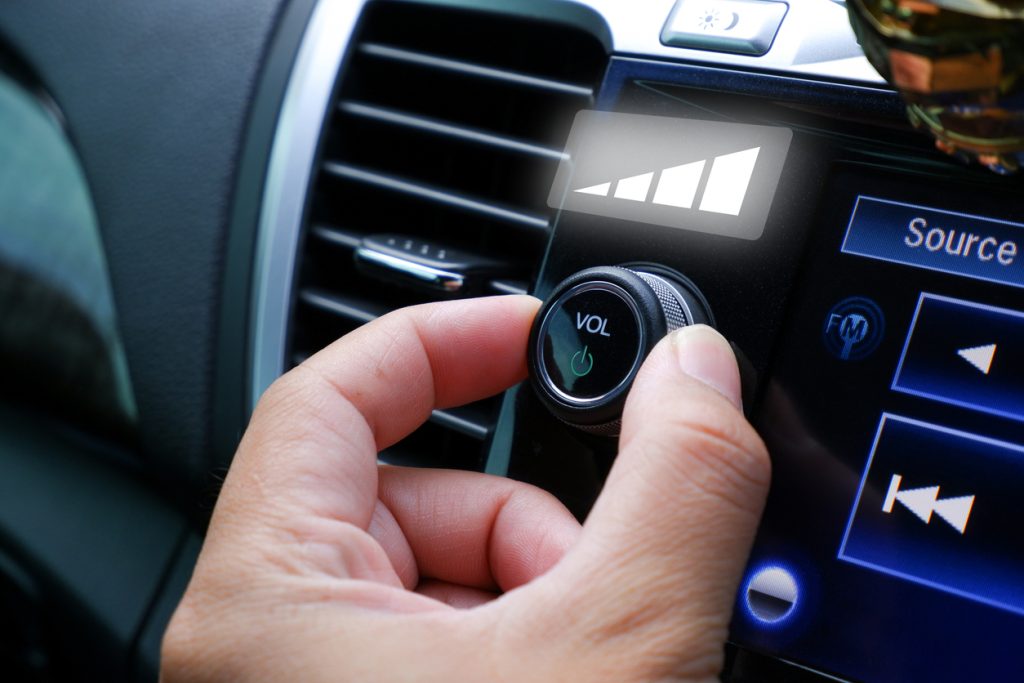
Public safety campaigns have traditionally focused on texting and driving, drunk driving, and fatigue. However, a growing body of research and legal precedent suggests that loud music affecting driving deserves greater attention. By educating drivers on the risks, these initiatives could reduce preventable accidents and lessen the burden of litigation related to distracted driving.
Some resources, such as this legal analysis on loud music affecting driving, highlight the importance of recognizing nontraditional distractions. As more cases reference music-related impairments, the integration of this factor into legal arguments is expected to expand.
Conclusion: Loud Music Affecting Driving as a Recognized Distraction
Distracted driving continues to be a leading cause of roadway incidents, and the role of loud music affecting driving is becoming increasingly difficult to ignore. From delayed reactions to compromised awareness of critical sounds, high-volume music contributes to conditions that courts may interpret as negligence. By analyzing legal perspectives, scientific studies, and regulatory frameworks, it becomes clear that loud music affecting driving should be considered an essential factor in evaluating liability.
As distracted driving laws evolve, recognition of this subtle but dangerous influence will likely expand, shaping the outcomes of personal injury litigation and public safety initiatives alike.