
The difference between semi-truck and truck is not limited to their physical design but extends into how each vehicle must be maintained. A semi-truck is a commercial-grade vehicle designed for long-distance hauling, heavy cargo, and continuous operation. A standard truck, often used for personal transport or light commercial purposes, has different durability requirements and lower maintenance intensity. Recognizing these distinctions is essential for extending vehicle life, ensuring compliance with transportation laws, and preventing costly breakdowns.
Operators who fail to consider the difference between semi-truck and truck during maintenance often run into compliance issues, mechanical failures, or increased operational costs. Semi-trucks, because of their size and usage, demand more frequent checks on braking systems, transmission, and load-bearing components. Trucks, on the other hand, can go longer between service intervals but still require vigilant attention to safety and performance systems.
How the Difference Between Semi-Truck and Truck Impacts Engine Maintenance
The engine is one of the most significant areas where the difference between semi-truck and truck reveals itself. Semi-trucks are equipped with high-capacity diesel engines engineered for torque and endurance, whereas many trucks rely on gasoline engines that prioritize efficiency over sustained power.
Semi-truck engines require rigorous oil analysis, consistent fuel filter changes, and closer monitoring of turbochargers. Trucks, while less demanding, still require routine oil changes, spark plug replacements, and attention to cooling systems. Misunderstanding these distinctions can lead to reduced engine performance, unexpected failures, and in the case of semi-trucks, violations of emission standards governed by federal transportation regulations.
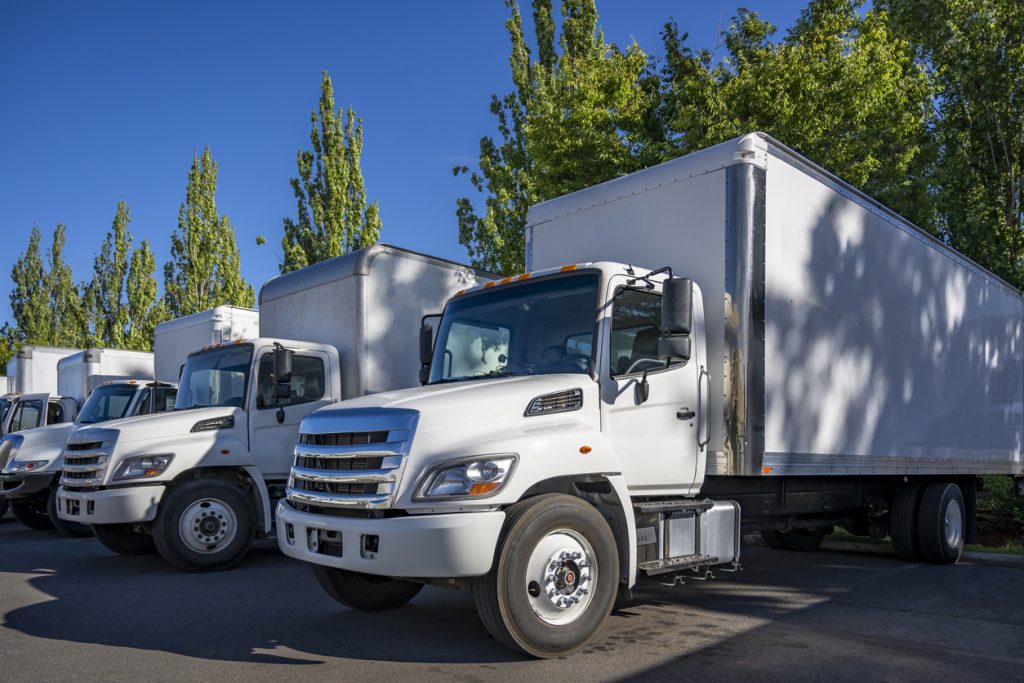
Tires and Braking Systems: A Clear Reflection of the Difference Between Semi-Truck and Truck
Another visible aspect of the difference between semi-truck and truck lies in their tires and braking mechanisms. Semi-trucks operate with multiple axles and require heavy-duty tires capable of supporting thousands of pounds of cargo. Their braking systems often use air brakes, which require inspections to ensure that moisture, leaks, or worn components do not compromise safety.
By contrast, trucks designed for personal or light commercial use depend on hydraulic braking systems and lighter tires. While both require periodic rotation and inspection, the failure to respect the specific maintenance requirements tied to the difference between semi-truck and truck can result in safety hazards on highways. In fact, the Federal Motor Carrier Safety Administration (FMCSA) provides detailed regulatory guidance on brake inspection requirements that apply specifically to semi-trucks, underscoring how the law itself acknowledges these distinctions.
Transmission and Load Management Shaped by the Difference Between Semi-Truck and Truck
Transmission systems highlight another critical difference between semi-truck and truck. Semi-trucks often rely on manual or automated manual transmissions designed to handle steep grades and massive cargo weights. Maintenance for these transmissions involves frequent fluid checks, clutch adjustments, and monitoring gear synchronization.
Standard trucks use automatic or light-duty manual transmissions that demand less frequent but still consistent servicing. Ignoring these variations can cause wear on drivetrains, excessive fuel consumption, and unsafe driving conditions. By accounting for the difference between semi-truck and truck in this context, operators can better manage fuel efficiency and extend the functional lifespan of their vehicles.

Electrical and Safety Systems Under the Lens of the Difference Between Semi-Truck and Truck
Electrical systems further illustrate the difference between semi-truck and truck. Semi-trucks operate with more extensive wiring systems, supporting auxiliary equipment such as refrigeration units, communication devices, and multiple lighting systems required for interstate travel. Regular inspection of wiring harnesses, alternators, and battery banks is crucial to avoid operational downtime.
Trucks, while simpler, also require proper care for alternators, batteries, and lighting systems. The key lies in adapting maintenance strategies to reflect the difference between semi-truck and truck so that each vehicle remains compliant with road safety laws and avoids electrical hazards that can cause roadside breakdowns.
Long-Term Maintenance Strategies Shaped by the Difference Between Semi-Truck and Truck
Developing a long-term maintenance plan requires understanding how the difference between semi-truck and truck affects wear and tear. Semi-trucks are built for continuous operation across thousands of miles, so preventative maintenance schedules must be more aggressive. Trucks, however, can rely on longer service intervals, provided they do not undergo extreme usage.
Owners and operators should create maintenance logs, monitor mileage closely, and incorporate professional inspections into their schedule. Recognizing the difference between semi-truck and truck in this planning process ensures legal compliance, especially when semi-trucks must undergo Department of Transportation inspections. As highlighted by this resource on the difference between semi-truck and truck, these responsibilities impact both operational safety and liability exposure.
Legal Compliance Issues Driven by the Difference Between Semi-Truck and Truck
Regulatory frameworks demonstrate how the difference between semi-truck and truck is not merely mechanical but also legal. Semi-trucks fall under stringent federal safety and emissions standards, while most trucks are governed by state vehicle codes. For example, semi-truck operators must comply with FMCSA regulations on driver hours, cargo securement, and brake inspections, whereas personal trucks have more relaxed oversight.
This legal gap reinforces the importance of tailoring maintenance routines to the difference between semi-truck and truck. A truck owner might face fewer penalties for delayed maintenance, but a semi-truck operator risks fines, out-of-service orders, and liability in the event of a crash. The consequences illustrate why these distinctions must be incorporated into every inspection and repair decision.
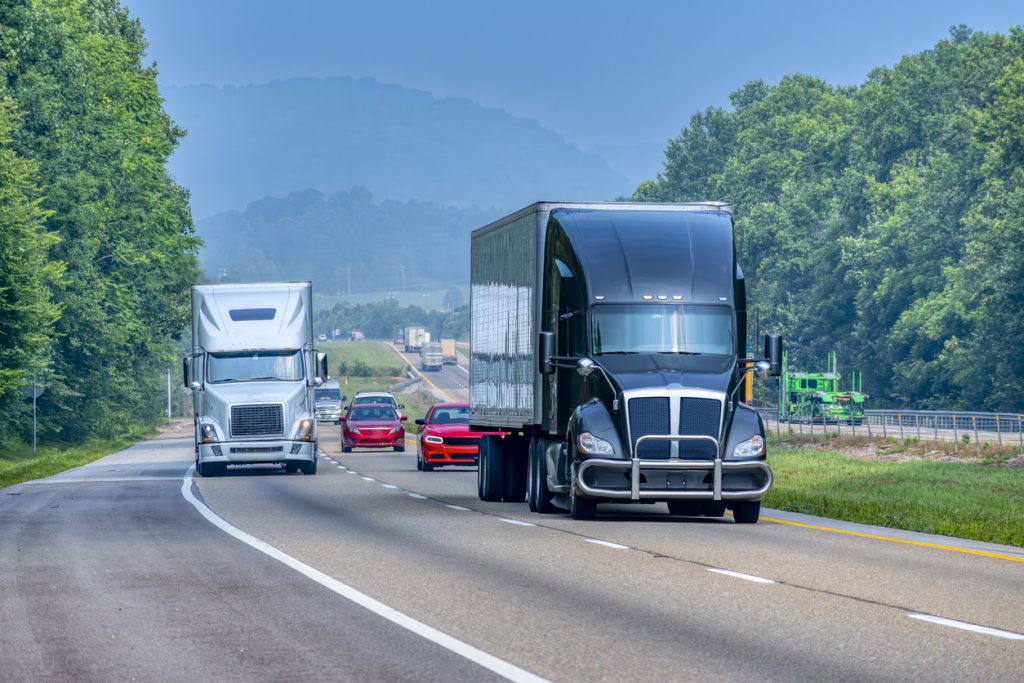
Fuel Systems and Environmental Considerations Highlighting the Difference Between Semi-Truck and Truck
Environmental impact is also shaped by the difference between semi-truck and truck. Semi-trucks, due to their diesel engines and long-distance travel, require fuel system maintenance that addresses injector performance, emission control devices, and diesel exhaust fluid (DEF) systems. Trucks generally involve gasoline system maintenance, with fewer regulatory burdens but equal importance for fuel efficiency and environmental safety.
Both vehicle types contribute to environmental concerns, but the scale differs. Semi-trucks face direct federal oversight, while trucks may only need to pass state-level inspections. By tailoring maintenance strategies to these realities, operators ensure compliance while also reducing their environmental footprint.
Conclusion: Why Maintenance Hinges on the Difference Between Semi-Truck and Truck
Maintenance is never a one-size-fits-all task, and the difference between semi-truck and truck defines the level of attention required for safe, legal, and efficient operation. From engines to braking systems, transmissions, and electrical components, each vehicle demands a tailored strategy. Semi-trucks require aggressive, frequent, and regulation-driven maintenance, while trucks benefit from less intensive but equally important care routines.
Ignoring the difference between semi-truck and truck leads to increased risks, higher costs, and potential legal consequences. By recognizing these distinctions and applying them consistently, operators, owners, and drivers ensure that their vehicles remain compliant, roadworthy, and safe for all who share the road.