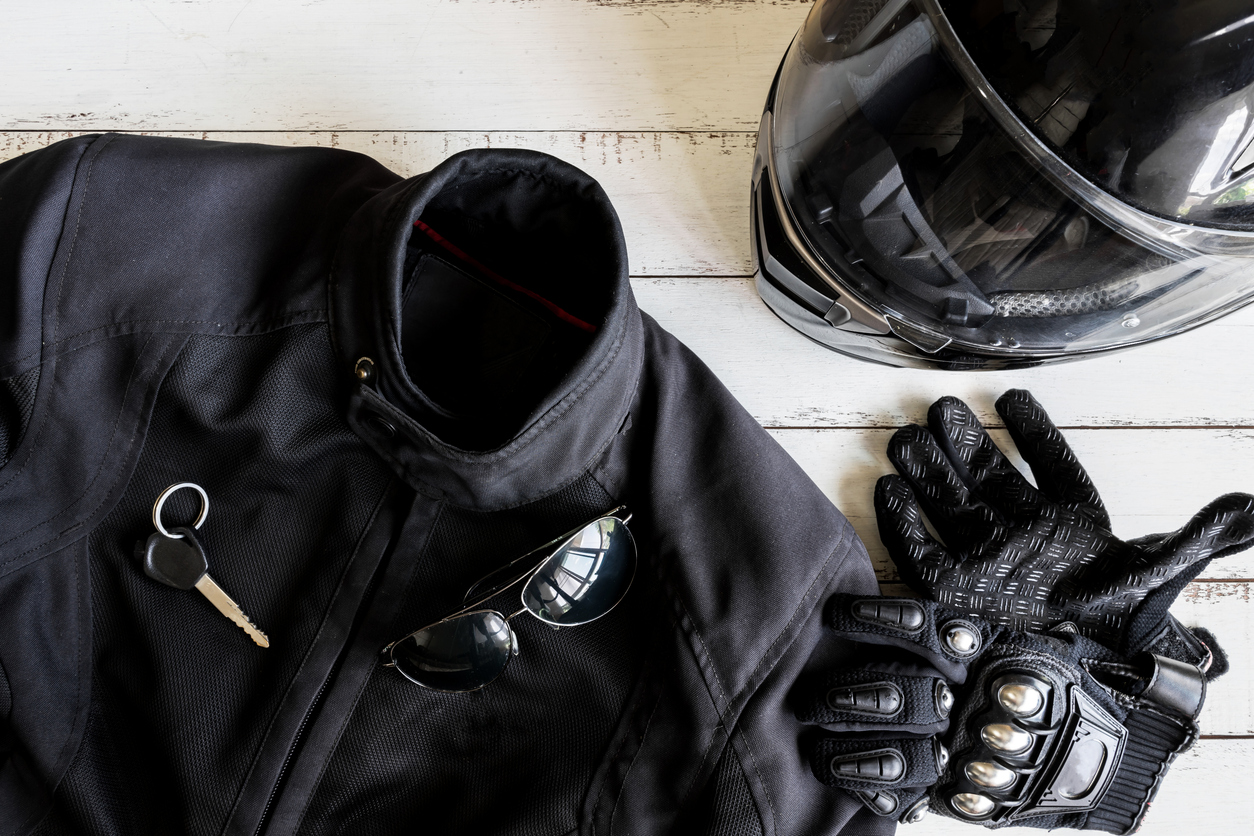
Riding through California’s diverse roads, from the crowded freeways of Los Angeles to the coastal highways near Monterey, exposes motorcyclists to unique risks. While motorcycles offer freedom, agility, and a sense of connection with the open road, they also leave riders more vulnerable in collisions compared to enclosed vehicles. This vulnerability makes protective equipment not only essential for physical safety but also influential in the financial and legal aftermath of an accident. Wearing motorcycle safety gear California does more than protect the body from impact—it can reduce insurance complications, strengthen legal positions in injury claims, and simplify recovery in the wake of crashes.
Why Motorcycle Safety Gear California Influences Insurance Claims
Motorcycle crashes in California often result in severe injuries due to the lack of protective barriers. Insurance companies, tasked with evaluating claims, consider the actions of the rider before and during the incident. Choosing to wear motorcycle safety gear California—helmets, jackets, gloves, reinforced pants, and boots—shows evidence of responsible riding. This demonstration of precaution can significantly reduce disputes with insurers.
Insurers frequently review whether an injured motorcyclist took reasonable steps to minimize harm. California follows a comparative negligence system, which means compensation may be reduced if a rider is considered partly at fault. A rider who neglected essential safety gear might face arguments from insurers that injuries were worsened by personal choices. On the other hand, proper use of motorcycle safety gear California limits these disputes, making the path to compensation smoother.
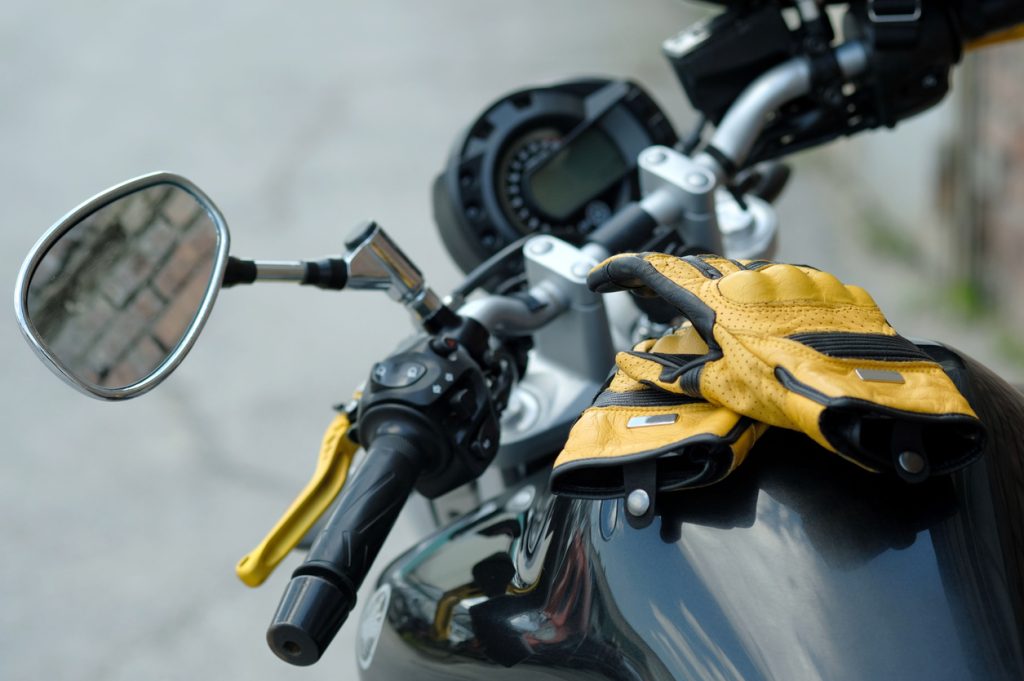
Legal Standards and the Role of Motorcycle Safety Gear California
California law already requires motorcyclists and passengers to wear helmets that comply with federal safety standards. Failure to meet this requirement may expose riders to citations and weaken their claims in an accident. Beyond helmets, while other protective gear is not legally mandated, its use reflects compliance with reasonable safety measures.
Courts and insurers alike often look at whether the injured party acted reasonably under the circumstances. Wearing motorcycle safety gear California bolsters the perception that a rider exercised due care, which can directly affect how liability and damages are determined. This alignment with responsible conduct is particularly important in personal injury cases, where opposing parties may attempt to argue contributory negligence.
Motorcycle Safety Gear California and Reduced Medical Disputes
One of the primary concerns in accident-related claims is the cost of medical treatment. Riders without gear often suffer abrasions, fractures, and traumatic brain injuries, which generate higher medical expenses and longer recovery timelines. Insurers scrutinize these bills and may challenge whether the injuries could have been prevented or minimized.
When riders wear motorcycle safety gear California, they reduce the extent of injuries, which in turn lowers overall medical costs. A helmet may prevent severe head trauma, and reinforced clothing may prevent infections from road rash. Lower treatment costs reduce the likelihood of drawn-out disputes with insurers regarding excessive billing or causation of injuries. As a result, claims can be processed more smoothly, without prolonged arguments over medical necessity.
Comparative Negligence and Motorcycle Safety Gear California
California’s comparative negligence framework plays a pivotal role in determining compensation. For example, if a rider is involved in a collision with a negligent driver, compensation may be reduced if the rider is deemed partially at fault for the severity of their own injuries. Not wearing protective gear, even beyond the helmet requirement, can open the door for such arguments.
Using motorcycle safety gear California minimizes opportunities for insurance adjusters and defense attorneys to argue that injuries were self-inflicted or aggravated by preventable choices. This preservation of full claim value can mean thousands of dollars in additional compensation. It can also accelerate settlement negotiations, as fewer points of contention exist between the injured party and the insurer.
Real Case Perspectives on Motorcycle Safety Gear California
Real-life accounts from California riders demonstrate how protective gear changes both medical outcomes and the trajectory of claims. In some cases, riders who wore comprehensive gear walked away with minimal injuries despite severe vehicle damage. Their insurance claims were resolved quickly, as there was no room to argue contributory negligence or irresponsibility.
Conversely, riders who ignored motorcycle safety gear California often faced protracted disputes. Insurance companies highlighted the absence of protection to limit payouts, arguing that the severity of injuries was preventable. These disputes lengthened claim timelines, increased legal complexity, and diminished overall compensation.
For riders pursuing personal injury claims, resources such as motorcycle safety gear California and its influence on legal outcomes provide deeper insights into how protective choices affect litigation and settlement negotiations.
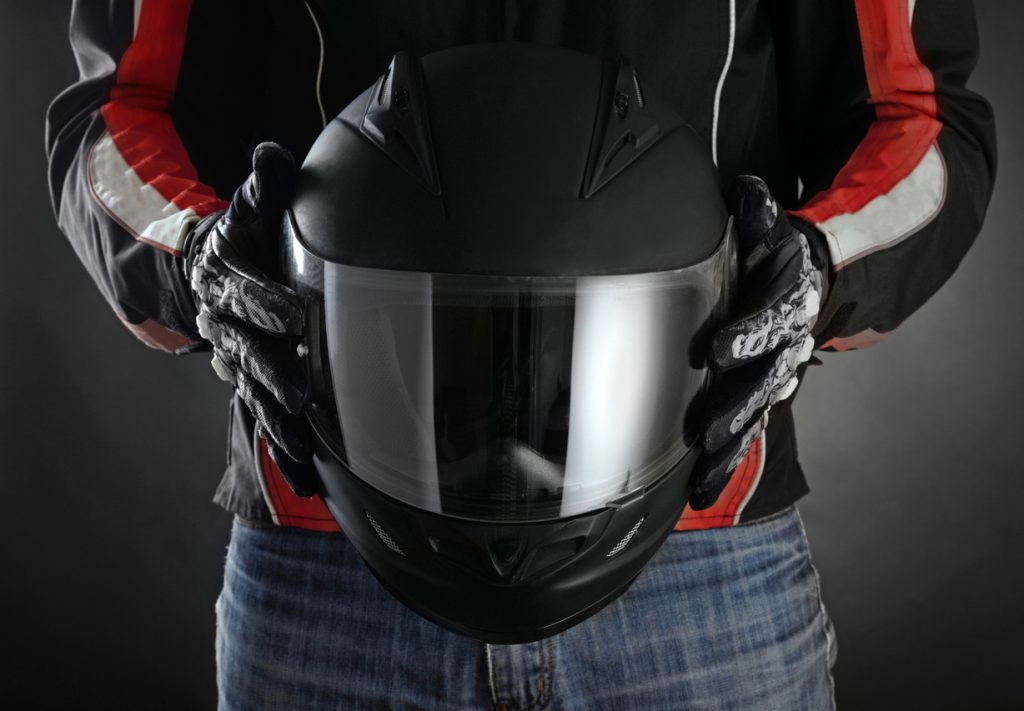
Government Data Supporting the Use of Motorcycle Safety Gear California
Data collected by the California Office of Traffic Safety reinforces the importance of protective gear. Statistics consistently show that helmeted riders suffer fewer fatal injuries than those without helmets. Beyond fatalities, protective clothing is recognized for reducing hospitalizations, rehabilitation costs, and long-term disability claims.
Insurance companies often refer to such government-backed statistics when evaluating liability and damages. Riders who adhere to safety practices validated by official data strengthen their credibility in insurance disputes, further reducing the likelihood of prolonged claim delays.
The Financial Impact of Motorcycle Safety Gear California
Beyond health benefits, the financial impact of wearing protective gear is significant. Insurance adjusters often calculate claim values based on injury severity, treatment duration, and potential long-term impairment. Riders who avoid catastrophic injuries due to motorcycle safety gear California typically face lower deductibles, fewer disputes over policy coverage, and less aggressive claim denials.
Over time, this translates to faster settlements and less resistance from insurers. The choice to invest in proper gear can be seen as not just a personal safety decision but also a financially prudent one.
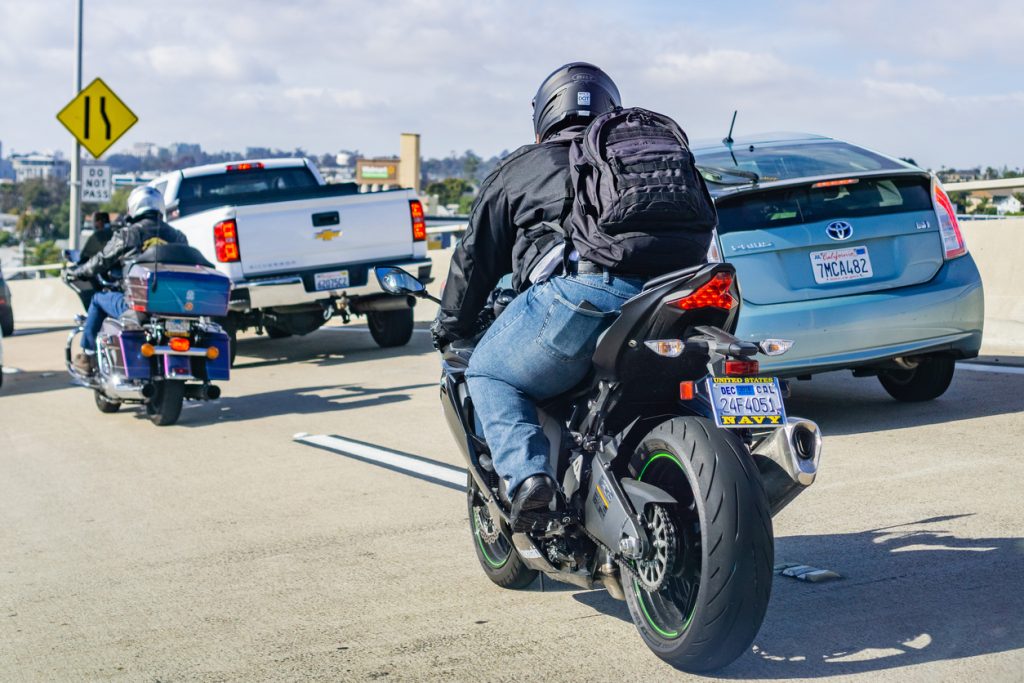
How Motorcycle Safety Gear California Influences Long-Term Outcomes
The aftermath of motorcycle accidents often involves more than immediate medical care. Many riders face rehabilitation, therapy, and lifestyle adjustments. Those who used motorcycle safety gear California often experience shorter recovery times, reduced need for ongoing treatment, and better long-term quality of life.
From an insurance perspective, lower long-term costs reduce the chance of disputes related to ongoing treatment or future medical coverage. This makes it easier to close claims without recurring challenges from insurers questioning the legitimacy of continued care.
Conclusion: Motorcycle Safety Gear California as a Legal and Financial Safeguard
Wearing motorcycle safety gear California should not be seen solely as a precaution against physical harm. Its influence extends into the realms of insurance negotiations, personal injury litigation, and financial recovery. Riders who prioritize safety through gear choices are less likely to face prolonged disputes with insurers, less likely to have compensation reduced under comparative negligence rules, and more likely to preserve the value of their claims.
As California continues to emphasize road safety and legal accountability, protective equipment stands as a vital safeguard not only for health but also for financial security in the wake of accidents.