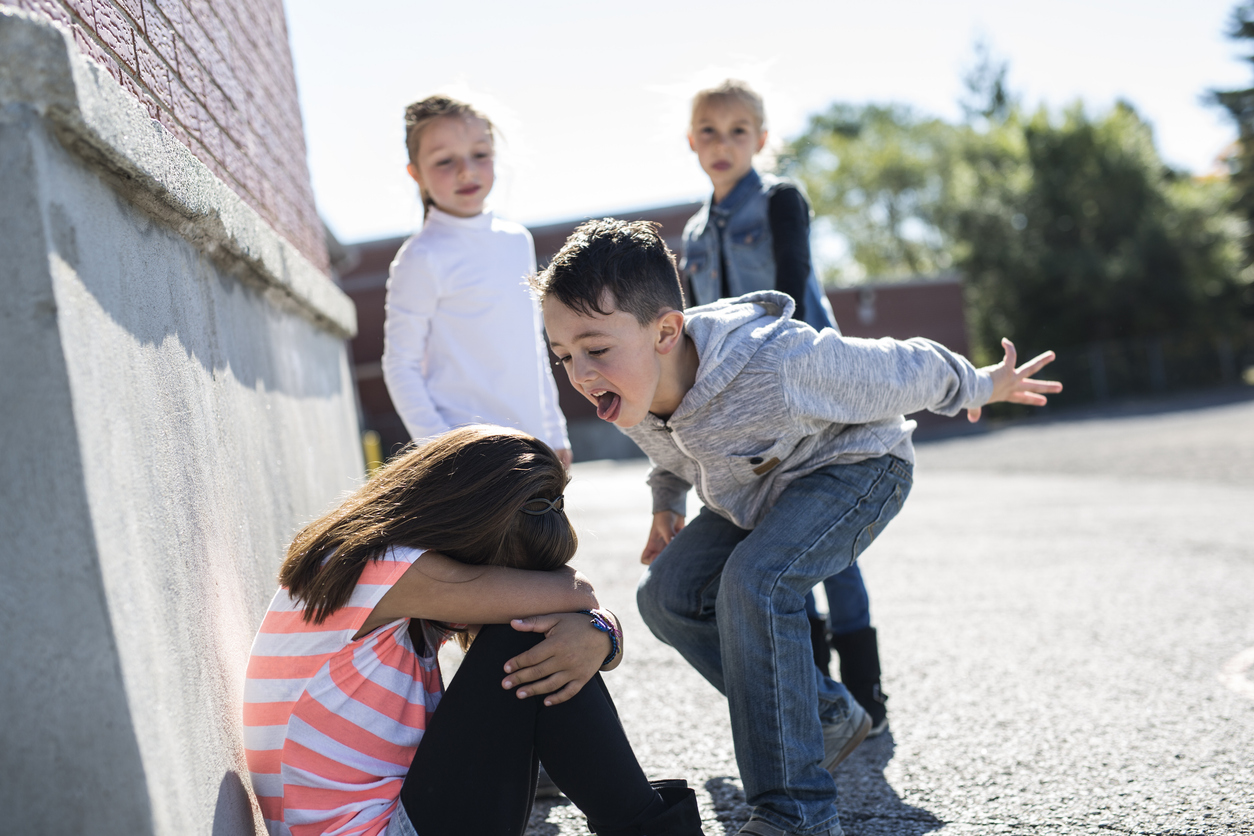
Understanding why children bully and recognizing the early warning signs can help parents, educators, and communities respond effectively. When bullying behavior is overlooked, it can escalate into patterns that affect both the child who bullies and the child being bullied. Addressing it requires not only awareness but also strategies rooted in empathy, accountability, and guidance.
Bullying among children is not new, yet in today’s connected world, the dynamics are more complex. Parents may struggle to recognize when children bully, especially if the behavior occurs outside the home or in digital spaces. This article explores how parents can identify when bullying takes place, the root causes behind it, and the most constructive steps to take in response.
Recognizing the Subtle and Overt Ways Children Bully
Bullying is not limited to physical aggression. When children bully, it can emerge as verbal attacks, social exclusion, or even digital harassment. Parents often expect to see bruises or overt conflict, but bullying frequently hides in subtle actions such as mocking, spreading rumors, or isolating a peer from group activities.
At school or in community settings, children who engage in bullying may appear dominant, often seeking control over social circles. In contrast, some display more covert patterns, acting friendly in one moment while undermining a peer the next. Recognizing these behaviors requires parents to look beyond the surface and pay attention to the consistency and intent behind interactions.

Psychological Patterns That Explain Why Children Bully
Understanding the motivations behind bullying behavior is vital. In many cases, children bully because they are struggling with internal issues such as insecurity, fear of exclusion, or pressure to assert dominance. Studies show that children who experience harsh discipline or neglect at home may replicate aggressive dynamics in peer relationships.
In some instances, children mimic what they see from adults or media portrayals, normalizing harmful behaviors. The need for power, combined with a lack of empathy development, often drives them to use intimidation as a means of control. Parents should recognize that while bullying is harmful, it can also be a symptom of unmet emotional needs.
School and Community Indicators That Children Bully
Teachers and administrators often act as the first line of defense in recognizing when children bully others. Schools may track behavioral reports, disciplinary actions, or complaints from other students. However, parents should also be proactive by maintaining open communication with educators and observing shifts in their child’s friendships.
In community activities such as sports, bullying may appear in exclusionary team dynamics or harsh criticism disguised as “joking.” Parents should not dismiss these moments as normal childhood disputes but instead evaluate whether the behavior is repetitive, targeted, and harmful. When identified early, intervention can prevent escalation.
Emotional Consequences When Children Bully
Although the immediate concern is the harm inflicted on victims, children who engage in bullying often experience emotional consequences as well. Research from the U.S. Department of Health & Human Services (StopBullying.gov) demonstrates that children who bully are at higher risk of academic struggles, substance misuse, and difficulties forming healthy relationships later in life.
The cycle of aggression, if unaddressed, can lead to continued issues in adolescence and adulthood. Parents who confront these patterns early provide their children with opportunities to learn accountability, empathy, and conflict resolution skills.
The Role of Parents in Addressing When Children Bully
Parental involvement is central in stopping bullying behavior. When children bully, dismissing the behavior as harmless or as part of growing up can reinforce the problem. Instead, parents should engage in thoughtful conversations that explore the motivations behind the actions.
Establishing clear boundaries and consistent consequences helps children understand accountability. At the same time, offering guidance on healthy communication and empathy allows them to rebuild trust with peers. Parents can also model respectful conflict resolution, showing children practical alternatives to harmful behaviors.
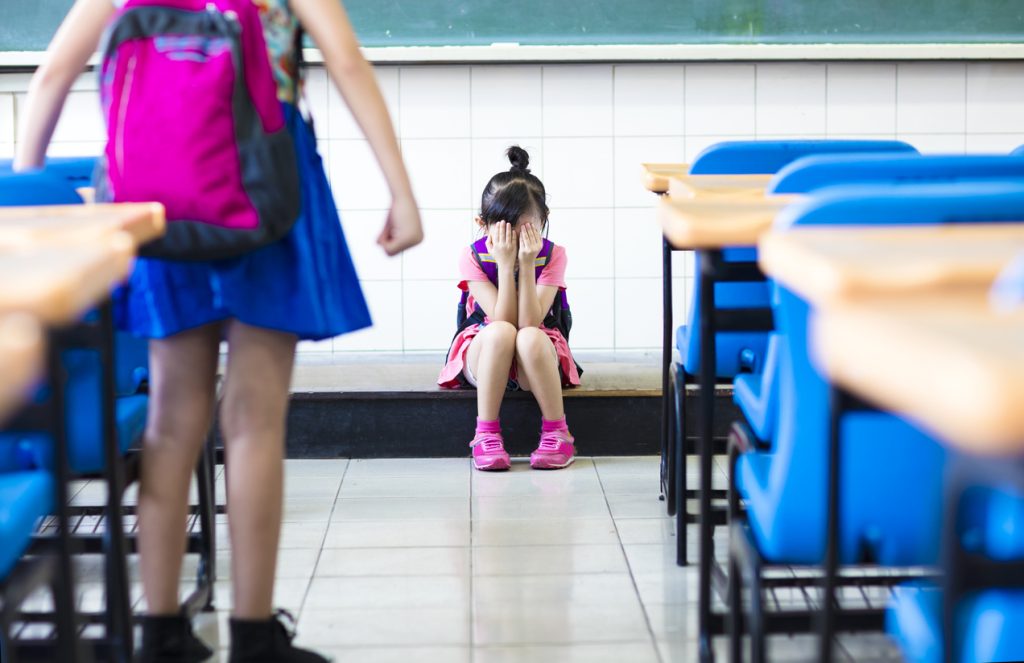
How to Tell If Your Own Children Bully Others
Parents may struggle to accept that their own child could be engaging in bullying. Yet, acknowledging this possibility is crucial. Warning signs that children bully include frequent disciplinary issues, blaming others for conflicts, or showing little empathy toward peers’ struggles.
Children who return home bragging about controlling others, or who often display aggression without remorse, may be revealing deeper behavioral concerns. Open discussions and careful observation at home and school settings can help parents recognize the truth before lasting damage occurs.
Social Pressures That Encourage Children Bully Behavior
Peer influence plays a significant role in why children bully. In school environments, some children use bullying as a way to gain popularity or align with dominant groups. Social hierarchies often reward those who appear confident and in control, even if that comes at another’s expense.
The rise of digital platforms adds another layer, with cyberbullying enabling constant access to victims. This digital extension often makes bullying more intense, as the reach is broader and the anonymity can embolden children to act without fear of immediate consequences.
Intervention Strategies When Children Bully
Parents must approach intervention with both accountability and compassion. Confronting the child with accusations can lead to defensiveness, but framing the conversation around responsibility and impact helps foster understanding. When children bully, parents can work with teachers, counselors, and community leaders to develop structured responses.
Encouraging children to make amends, reflect on the harm caused, and engage in positive activities helps shift behavior patterns. Professional counseling may also be necessary in severe cases, ensuring that underlying issues such as trauma or emotional struggles are addressed constructively.
The Importance of Open Dialogue About Why Children Bully
Creating a family environment where emotions and conflicts can be discussed openly reduces the likelihood of secretive bullying behavior. When parents show that mistakes can be addressed without shame, children feel more comfortable acknowledging their actions.
Discussing why children bully and how it affects others allows them to understand the real consequences. Parents can guide these conversations toward developing empathy, resilience, and respect. Such dialogue helps prevent the repetition of harmful patterns while reinforcing positive social values.
Legal and Ethical Considerations When Children Bully
Bullying has significant legal implications, particularly when it crosses into harassment or threats. Some school districts and states have established clear anti-bullying statutes that require schools to investigate and respond appropriately. Parents should familiarize themselves with these frameworks to understand their rights and obligations.
For example, many states provide guidance on anti-bullying policies accessible through state government education websites, outlining procedures for addressing incidents and protecting students. Parents can reference these resources to ensure that responses align with legal protections while maintaining accountability for their child’s actions.

Moving Forward When Children Bully
Acknowledging that children bully is only the first step. True progress comes when parents, schools, and communities work together to build supportive environments that discourage harmful behavior and promote inclusivity. The process requires patience, but every small step contributes to breaking the cycle of bullying.
Parents can help by focusing on long-term development rather than short-term punishment. Offering children tools to express themselves, resolve conflicts, and practice empathy ensures that they can grow into respectful and responsible individuals.
Conclusion
When children bully, it is not merely an issue of bad behavior but a reflection of deeper psychological, social, and emotional dynamics. Parents who recognize the warning signs, address the underlying causes, and intervene with structured yet compassionate strategies create meaningful change. By working alongside schools and using resources such as why do children bully each other, families can respond more effectively.
Ultimately, stopping bullying requires collaboration, open dialogue, and a firm yet supportive approach. With awareness and commitment, parents can guide their children toward healthier ways of relating to others, ensuring that harmful patterns are broken before they cause lasting damage.